• The Power and Necessity of Friendship

    In the complexities and trials of life, nothing stands as a pillar of support quite like a true friend. A friend, in the purest sense, is not just a companion. They are a confidante, a source of comfort, and a beacon of hope during the darkest times. But what does it mean to be a true friend? And why is friendship such a necessary part of our lives?

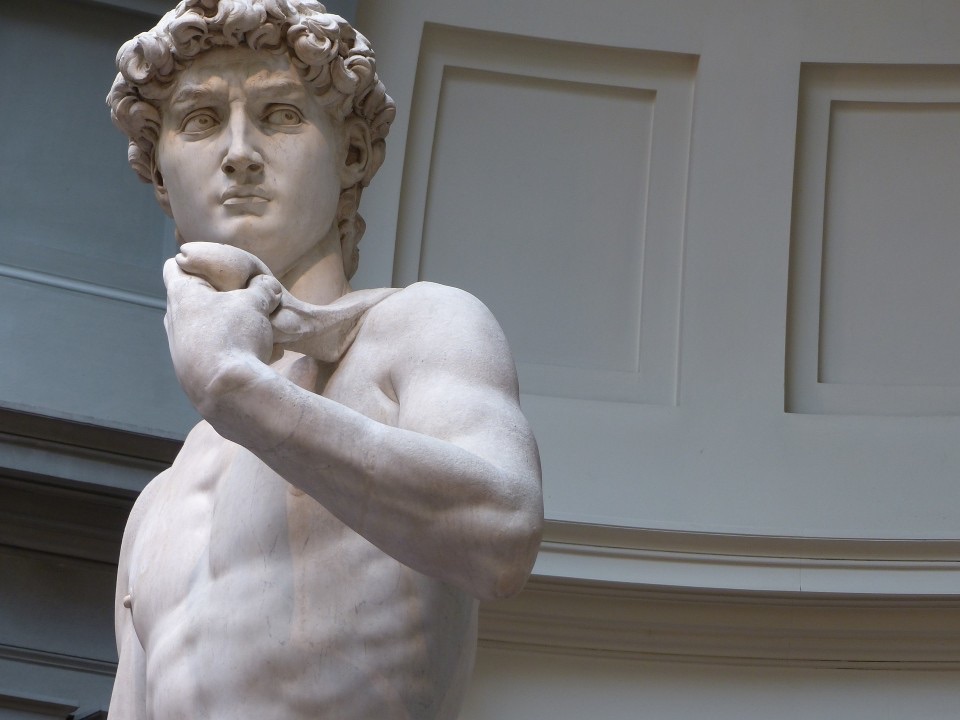
    Drawing from the biblical story of David and Jonathan, we can extract three key ingredients that make a friendship strong, resilient, and life-changing: consistency, openness, and common passion.

    Consistency: The Backbone of Friendship

    Proverbs 18:24 tells us, “A man of many companions may come to ruin, but there is a friend who sticks closer than a brother.”

    Consistency is the first ingredient in the recipe for great relationships. A true friend doesn’t perform a cost-benefit analysis or abandon us when times are tough. They stick around, regardless of the circumstances, offering unwavering support and companionship.

    Openness: The Heart of Friendship

    The soul of Jonathan was bound to the soul of David, and Jonathan loved him as his own soul (1 Samuel 18:1).

    Openness, the ability to share our deepest fears, thoughts, and emotions, is the heart of friendship. True friends give us perspective, offer correction when needed, and stand by us in our darkest moments. They humanize us and remind us that we are not alone in our struggles.

    Common Passion: The Engine of Friendship

    John 15:15 tells us, “I no longer call you servants, because a servant does not know his master’s business. Instead, I have called you friends, for everything that I learned from my Father I have made known to you.”

    This shared passion, this united purpose, is the engine that drives friendship. It’s what binds friends together and gives depth to their relationship.

    The Power of Friendship

    David would not have survived the most dangerous period of his life without the friendship of Jonathan. Similarly, we may survive, but we will not thrive without God-given relationships. Harvard University’s study on happiness, spanning 80 years and including over 1300 participants, concluded that happiness is most profoundly influenced by the quality of our relationships.

    Applying the Power of Friendship

    To harness the power of friendship, we need to be proactive. Identify your 2 am friend, the one you can call at any time, and express your gratitude for them. Be that 2 am friend for someone else.

    Unite with others around the passions of Jesus—knowing the Father and seeing His Kingdom come. And remember,

    a friend loves at all times, and a brother is born for adversity (Proverbs 17:17).

  • Unlocking the Power Within: An Introduction to Spiritual Gifts

    In the journey of faith, understanding spiritual gifts is paramount. These divine endowments are bestowed upon every follower of Jesus, each serving as a unique instrument for the fulfillment of God’s kingdom on earth. As we embark on this exploration, it’s essential to grasp the significance of these gifts and how they shape our purpose in ministry.

    Unveiling Spiritual Gifts

    In the tapestry of gifts, there are three distinct threads:

    1. Natural Gifts: Talents and aptitudes bestowed upon us from birth, encompassing various realms from athletic prowess to numerical acumen.
    2. Acquired or Developed Gifts: Cultivated through dedication and effort, these gifts are honed over time, reflecting the fruits of labor and perseverance.
    3. Spiritual Gifts: Bestowed by God Himself, these divine endowments are full of His power and grace, empowering believers to serve and fulfill their divine purpose.

    Addressing Tension

    Despite their divine origin, spiritual gifts often evoke tension and skepticism. This stems from a myriad of reasons:

    • Lack of understanding and inadequate teaching within the church.
    • Past instances of abuse, where gifts were wielded for personal gain or ego.
    • Perceived “weirdness” or unfamiliarity, especially in the context of rationalistic worldviews.
    • Misconceptions about the regulation and proper use of gifts within the body of Christ.

    However, the solution lies not in forsaking these gifts but in embracing their proper use guided by love and humility.

    Embracing the Model of Jesus

    Central to understanding spiritual gifts is observing how Jesus conducted His ministry. He exemplified reliance on the Holy Spirit, modeling a life led by divine guidance and empowerment. Through His baptism in the Holy Spirit, Jesus initiated His ministry, demonstrating the indispensable role of spiritual empowerment in service.

    Identifying Spiritual Gifts

    Scripture provides various lists enumerating spiritual gifts, ranging from prophecy and healing to administration and teaching. Understanding these gifts enables believers to discern their unique endowments and seek their growth and development.

    Discerning and Deploying Gifts

    Discernment of spiritual gifts involves a blend of desire, frustration, and passion. It’s a journey of self-discovery guided by prayer and a deepening understanding of God’s purpose. Frustrations and joys serve as signposts, indicating areas where one is uniquely called to serve.

    Call to Action

    Recognizing our inherent gifts—be they natural, acquired, or spiritual—empowers us to become vessels of blessing. Each believer is a walking manifestation of God’s grace, called to steward their gifts faithfully for the edification of the body of Christ and the advancement of His kingdom.

    In the forthcoming series, we will delve deeper into the intricacies of spiritual gifts, exploring their nuances and practical applications. As we journey together, may we embrace the truth that we are fearfully and wonderfully made, equipped with divine endowments to impact the world around us.

    Let us step into this adventure with open hearts and eager spirits, ready to unlock the power within and unleash God’s transformative love through our unique gifts.


    This blog post encapsulates the essence of understanding and embracing spiritual gifts, setting the stage for further exploration and growth in this vital aspect of Christian faith and ministry.

  • How to read more this year
  • Formation: the path to becoming like Jesus

    Introduction

    In our journey of faith, the concept of formation plays a crucial role. It is not a passive process, nor does it occur by accident. Rather, it is an intentional, active pursuit of becoming more like Jesus Christ. We are all being formed into something, whether we realise it or not. The challenge lies in understanding what forces are shaping us and how we can actively participate in this formation process.

    The Forces Shaping Us

    We do not live in a neutral world. Our society, the media, our peers, and even our own families shape us in subtle and not-so-subtle ways. These forces can form us into individuals who conform to cultural norms, stereotypes, and trends. However, as followers of Jesus, we are called to be wary of these influences and ensure that they do not lead us astray from our true mission: to become like Jesus.

    The Role of Intentionality in Formation

    The process of formation does not occur passively; it requires intentionality. We must be aware of the forces shaping us and make conscious decisions to align ourselves with the teachings of Jesus. This might mean going against the grain of society, and it certainly means prioritising our spiritual growth over worldly desires. Intentionality in formation leads us to wake up to the ways we are being shaped and to actively participate in our own spiritual development.

    The Call to Become Like Jesus

    The call to become like Jesus transcends societal stereotypes, scripts, and strong opinions. It is not about conforming to the latest social media trend or cultural fad. Instead, it is about embodying the values, character, and love of Jesus in our daily lives. This formation process is a journey, not a destination, and it requires ongoing commitment, introspection, and action.

    Habits: practical routines that form us into becoming like Jesus

    • Read Jesus everyday: take a portion of the scripture from one of the four gospels, read it and prayerfully meditate on it.
    • Check your mood: have moments in your day where you pause and consider your moods. Ask God in those moments to make you a bringer of life and joy to those around you.

    Conclusion

    Formation is an ongoing journey toward becoming more like Jesus. It requires us to be aware of the forces that are shaping us and to intentionally align ourselves with the teachings and example of Jesus. While the process may be challenging, it is also immensely rewarding, leading us to a life of greater purpose, fulfillment, and love. As we continue on this journey, may we keep our eyes fixed on Jesus, the perfect model of the person God calls us to be.

  • Mirror Mirror, how social media enslaves everyone in a trap of comparison

    In an era dominated by social media, where platforms like Instagram, Facebook, and Twitter connect us instantly with a vast digital community, the allure of comparison is more prevalent than ever. While these platforms offer a space for self-expression and connection, they also create a trap – the comparison trap.

    Social media enslaves individuals in a perpetual cycle of comparison, fueling feelings of inadequacy, anxiety, and a distorted sense of self-worth.

    From After Babel newsletter of Jonathan Haidt

    The curated highlight reels presented on these platforms often lead to unrealistic standards, setting the stage for an unhealthy mindset.

    1. The Highlight Reel Phenomenon: One of the primary factors contributing to the comparison trap is the carefully curated nature of social media content. Users tend to showcase only the positive aspects of their lives, creating a skewed perception of reality. Continuous exposure to these seemingly perfect lives can make others feel inferior or unsuccessful in comparison.

    Bianca Olthoff describes this experience being akin to being an identical twins. Identical twins often feel like they have a permanent mirror set up against their lives. Which one will walk first, which one will speak, first, which one will be the fastest, the smartest, the wealthiest and so on.

    The social media highlight reel phenomenon as exactly the same effect. Mirror, mirror.

    2. Filtered Realities vs. Genuine Experiences: The prevalence of image-altering tools and filters further exacerbates the issue. Social media users frequently enhance their photos, creating an unrealistic portrayal of beauty, success, and happiness. This perpetuates the belief that one’s own unfiltered life is somehow inadequate, fostering an endless cycle of comparison.

    3. Quantifying Worth through Likes and Followers: The quantification of popularity through likes, comments, and followers adds another layer to the comparison trap. Users may find themselves equating their worth with the number of interactions their posts receive, leading to a constant pursuit of external validation.

    4. Fear of Missing Out (FOMO): Social media often showcases a plethora of events, gatherings, and experiences, contributing to the fear of missing out. Seeing others engage in seemingly exciting activities can create a sense of exclusion and inadequacy in those who are not partaking in similar ventures.

    5. Social Comparison Theory in the Digital Age: Social media amplifies the classic Social Comparison Theory, wherein individuals determine their own social and personal worth based on how they stack up against others. The constant exposure to others’ achievements, possessions, and lifestyles intensifies these social comparisons, leading to a perpetual cycle of discontent.

    Breaking Free from the Comparison Trap:

    1. Mindful Consumption: Be aware of the content you consume. Actively choose to engage with content that inspires and uplifts rather than fosters comparison.
    2. Authenticity: Embrace authenticity by sharing the highs and lows of your life. This not only humanizes your online presence but also encourages a more genuine connection with others.
    3. Set Boundaries: Establish healthy boundaries for social media usage. Limit your time online, especially if you find yourself falling into the comparison trap.
    4. Practice Gratitude: Focus on the positive aspects of your own life. Regularly practice gratitude to shift your mindset from what you lack to what you have.

    In conclusion, while social media promises to provide a powerful means of connection, it’s crucial to navigate these platforms mindfully. Recognizing the comparison trap and taking intentional steps to mitigate its impact is essential for fostering a healthier relationship with social media and, more importantly, with oneself.

  • Make One Thing in Your Life Perfect: The Key to Personal Transformation

    Have you ever felt overwhelmed by the chaos and imperfections in your life? Do you find yourself constantly striving for perfection but falling short? It’s time to shift your focus and embrace a powerful concept: making one thing in your life perfect.

    In his famous quote, Jordan Peterson encourages us to:

    “make one room in our home as beautiful as possible.” – Jordan Peterson

    This simple act can have a profound impact on our mindset and overall well-being. When we create a space that is aesthetically pleasing and harmonious, we invite a sense of order and tranquility into our lives.

    But why stop at just one room? The idea of making one thing perfect can extend beyond our physical environment. It can be applied to various aspects of our lives, from our relationships to our personal habits and goals.

    In the book of Genesis, we read about how God brought order out of chaos during the creation of the world. This serves as a powerful reminder that order can emerge from even the most formless and empty situations. By focusing on making one thing perfect, we are taking a step towards aligning ourselves with the divine order.

    However, it’s important to acknowledge that we can’t do everything perfectly. We are only human, and perfection is an unattainable ideal. But that shouldn’t discourage us from starting somewhere. As the Bible teaches us in Luke, a house divided against itself will fall. We need to choose one area of our lives and commit to making it perfect, without allowing the chaos and destruction of the world to infiltrate it.

    So, where do we start? It could be as simple as making a list of the areas in our lives that need improvement and selecting one to focus on. Perhaps it’s conquering doubt, shame, or anxiety. Or maybe it’s breaking free from the grip of individualism or consumerism. Whatever it may be, we need to establish non-negotiable rules and routines that guide our actions and decisions.

    Just like a well-kept room in our home, this chosen area of our lives becomes a sanctuary of order and discipline. It becomes a reflection of who we are and what we stand for. As the saying goes, “If you don’t stand for something, you will fall for anything.” By making one thing perfect, we are standing for excellence and personal transformation.

    As we progress on our journey of making one thing perfect, we will naturally experience spiritual growth and maturity. I think my own quote beautifully captures this process.

    “Spiritual maturity is the creep of kingdom order across our lives.” – Paul Benger

    By focusing on perfecting one thing, we are inviting the kingdom of God to permeate every aspect of our existence.

    So, whether it’s a room in your house or an area of your life, I encourage you to start somewhere. Commit to making one thing as perfect as you can, exactly as you want it. Embrace the discipline and routine that accompany this pursuit. And watch as personal transformation unfolds before your eyes.

    Remember, you are not aiming for perfection in every aspect of your life. Rather, you are harnessing the power of making one thing perfect to create a ripple effect of positive change. So, take that first step today and witness the profound impact it has on your journey towards personal transformation.

    6 steps to guide you in this journey of making one thing in your life as perfect as possible:

    1. Identify Your Focus Area: Begin by selecting one aspect of your life that you wish to transform. It could be a physical space in your home, a personal habit, a financial aspect, or any area that you believe needs improvement.

    2. Set Non-Negotiable Rules: Once you’ve identified your focus area, establish clear, non-negotiable rules for it. Decide what is and isn’t allowed in this space or aspect of your life. This will provide a strong foundation for your pursuit of perfection.

    3. Create a Routine: Consistency is key. Develop a routine or set of habits that support your goal of perfection in your chosen area. Establish a rhythm for how you manage, maintain, and improve it.

    4. Maintain Order: Think of this endeavor as making one room in your life a “perfect” space. Uphold a rule of life for this area, ensuring that nothing disrupts the order and beauty you’re cultivating.

    5. Accept Imperfection Elsewhere: Recognize that it’s impossible to make everything in your life perfect simultaneously. Therefore, it’s essential to accept imperfection in other areas while you focus on your chosen space or aspect.

    6. Stay True to Your Vision: This is your chance to create something exactly as you want it. Embrace your vision, and let it guide your actions and decisions in your chosen area.

  • Building a culture of celebration

    In our busy and often challenging lives, it’s easy to get caught up in negativity and forget to celebrate the good things. But cultivating a culture of celebration is essential for our well-being and the health of our communities. It not only uplifts our spirits but also strengthens our resilience and brings us closer together.

    The Power of Celebration

    Celebration has the power to transform our mindset and outlook on life. When we choose to focus on the positive and celebrate even the smallest victories, we shift our energy towards gratitude and joy. It’s like a breath of fresh air amidst the chaos and challenges we face. Celebration reminds us of the goodness in our lives and helps us appreciate the beauty around us.

    Rebuilding Joy and Celebration

    Just as Nehemiah in the Old Testament had to remind the people of Israel that “the joy of the Lord is your strength,” we too need to rebuild joy and celebration in our lives. It’s easy to default to shame and cynicism, especially when we focus on our failings and the difficulties we encounter. But God calls us to embrace joy and celebrate His goodness, even in the midst of trials.

    Simple Celebrations

    Building a culture of celebration starts with incorporating simple celebrations into our everyday lives. Take a moment to savour a cup of coffee in the morning or indulge in a favourite activity. These micro celebrations remind us to find joy in the present moment and appreciate the little things that bring us happiness.

    Strategic Celebrations

    In addition to simple celebrations, we can also plan strategic celebrations to mark significant milestones and create intentional moments of joy. Whether it’s organising a special dinner with loved ones, celebrating birthdays and anniversaries, or hosting special Sundays at church, these strategic celebrations bring people together and foster a sense of community and shared joy.

    Spontaneous Celebrations

    Spontaneous celebrations are the unexpected bursts of joy that arise in our lives. It could be a moment of generosity, playfulness, or simply dancing and leaping. Embracing these spontaneous celebrations reminds us to let go of inhibitions and embrace the sheer joy of being alive. It’s a powerful way to break free from cynicism and find delight in the present moment.

    Salvation Celebration

    Above all, we must never forget to celebrate our salvation and the goodness of God in our lives. Remembering His faithfulness and sharing stories of how He has rescued us and brought us out of the darkness instills hope and joy in our hearts. Whether it’s through a thankfulness journal, specific memories of God encounters, or weekly celebrations in His house, let us continually rejoice in the goodness of our Heavenly Father.

    Building a Culture of Celebration

    Building a culture of celebration is not just about individual moments of joy; it’s about creating a collective mindset and atmosphere of gratitude and joy. As we choose to celebrate and uplift one another, we create a ripple effect that spreads positivity and resilience throughout our communities. It’s a powerful way to counteract the negativity and despair that often pervades our world.

    So, let’s make a conscious effort to prioritize celebration in our lives. Let’s choose joy over cynicism, gratitude over shame, and celebration over despair. Together, we can rebuild a culture of celebration that not only strengthens us but also brings light and hope to those around us.

    Remember, the joy of the Lord is our strength, and through celebration, we tap into that strength and share it with the world

  • Builders with Jesus of His Church

    Introduction

    In the book of Hebrews, it is written, “For he looked forward to the city that has foundations, whose designer and builder is God.” (Hebrews 11:10 ESV)

    This passage highlights the divine role of God as the ultimate designer and builder. As believers, we have the privilege of partnering with Jesus to build His Church. In this blog post, we will explore the significance of being builders with Jesus and the key aspects of His design for His Church.

    The Building Designed by God

    The Church, envisioned by Jesus Himself, is the building we are called to construct. Jesus said, “I will build my church, and the gates of Hades will not prevail against it.” (Matthew 16:18)

    It is important to recognize that the Church is not merely a physical structure but a living organism. It is a community of believers, a dwelling place for God, and a spiritual temple where the Holy Spirit dwells. (Ephesians 2:19-22)

    The Need for Buildership

    While leadership within the Church is crucial, we must also emphasise the importance of buildership. Buildership entails actively engaging in the work of constructing the Church according to God’s design. It goes beyond envisioning and planning; it involves taking tangible steps to make Jesus’ vision a reality.

    Building Impacting, Growing, and Prevailing Churches

    The type of churches we desire to build reflects the heart of God. We long for churches that are impacting, growing, enduring, and prevailing. These churches are not just buildings or gatherings; they are communities of disciples who are wholeheartedly following Jesus. They are life-giving, empowering, Christ-centered, and culture-transforming. Our desire for such churches raises an important question: Why are there so few churches like the ones we want to build?

    The Need for a Move of the Holy Spirit

    One reason why the Church may fall short of our desired vision is the need for a move of the Holy Spirit. Throughout history, we have witnessed powerful revivals and awakenings orchestrated by God’s Spirit. However, these moves of God are often experienced but not sustained. We cannot rely solely on conferences, events, or gatherings to sustain revival;

    it is the Church, empowered and filled with the Holy Spirit, that is designed to sustain and experience revival.

    Exactly the reason we must build the Church.

    The Role of Builders

    To become the kind of churches we long to see, we must embrace our role as builders. We cannot deviate from God’s plan or abdicate the work of building. As builders, we must interpret and execute God’s architectural design with precision. Our aim is not to build something resembling His plan but to build exactly according to His plan. This requires attention to detail and a commitment to align every aspect of church life with God’s blueprint.

    Three Aspects of God’s Design

    God’s design for His Church encompasses three important aspects:

    1. A Community Proclaiming the Full Gospel

    The Church is called to proclaim the good news of Jesus Christ to the world. We are commissioned to go and make disciples, baptizing them in the name of the Father, Son, and Holy Spirit. Our proclamation of the gospel should encompass the restoration of relationship with God, self, others, and the world. We are to declare Jesus as Lord and King, inviting others into a vibrant relationship with Him. (Mark 16:15-17)

    We often only focus on falling redemption. The full Gospel focuses on the full work of Christ to renew all things and not just forgive our sins.

    2. A Community of Disciples Making Disciples

    Building disciple-making churches is essential for fulfilling the Great Commission. Our goal is not to create cultural Christians but to cultivate fully devoted followers of Jesus. This requires intentional discipleship, where people are equipped to follow Jesus wholeheartedly and engage themselves in the mission of making disciples. (Matthew 28:18-20)

    3. A Community of Spirit-Filled and Spirit-Empowered People

    The Church is meant to be a community filled with the Holy Spirit. We are called to be clothed with power from on high and to be witnesses of Jesus in our Jerusalem, Judea, Samaria, and to the ends of the earth. The power of the Holy Spirit enables us to live out our identity as the Church and empowers us to impact the world around us. (Luke 24:49, Acts 1:8)

    I love what Gordon Fee called the church in his book, Paul, spirit, and the people of God

    “The church is a community of the spirit.”

    Conclusion

    As builders with Jesus of His Church, we have a divine calling and a sacred responsibility. Let us embrace God’s design and work diligently to build churches that reflect His heart and purposes. We must not deviate from His plan but faithfully follow His blueprint. Through our partnership with Jesus and the empowerment of the Holy Spirit, we can see the Church impact nations, transform cultures, and bring glory to God. May we be builders who work the plan and fulfill the mission entrusted to us.

  • why i tithe, and i think you should too

    In the world of finances and giving, the concept of tithing holds a significant place. Derived from the word “tithe,” which simply means a tenth, tithing involves giving back 10 percent of one’s income. This practice has its roots in the Bible, specifically outlined in the Old and New Testaments. Despite some skepticism or misunderstanding around the idea of tithing, it remains a powerful act of obedience and worship for many believers.

    Understanding the Origin and Purpose of Tithing

    Tithing finds its origins in ancient times, with one of the earliest instances recorded in the Bible when Abram (later known as Abraham) gave a tenth of his gains to Melchizedek, a priest of God. This act was a tribute to God, acknowledging Him as the source of his success, blessing and prosperity. Later, God commanded the people of Israel to bring a tithe of everything they had, whether from the land or other resources.

    Tithing: An Ever-Relevant Principle

    Tithing is not confined to the Old Testament; it’s a principle affirmed in the New Testament as well. Jesus, during His time on Earth, acknowledged the practice of tithing but urged His followers to go beyond mere compliance and consider the motives behind their giving. He emphasized the importance of acting justly, mercifully, and faithfully in addition to tithing.

    The Blessings of Tithing

    1. Obedience and Divine Blessings: Tithing is a demonstration of obedience to God’s commandments. In doing so, we show God that we love Him and can be entrusted with more. God promises to reward our obedience, as mentioned in Malachi 3:10, by opening the floodgates of heaven and pouring out abundant blessings. Tithing is a key step in being a disciple.
    2. Partnering with God: Tithing allows us to participate in God’s work on Earth. God chooses to involve us in His mission by directing us to support the church and its ministries. It’s a beautiful partnership where we contribute to furthering the Gospel and caring for others.
    3. Putting Money in Its Place: Tithing serves as a reminder that everything we possess is ultimately from God. By giving back a portion, we acknowledge Him as our provider and demonstrate that our trust and security lie in Him, not in material wealth.
    4. Heart Transformation: Tithing is an act of the will that transforms our hearts. As we commit to giving sacrificially and obediently, our hearts align with God’s values of generosity, gratitude, and compassion. It shifts our focus from earthly possessions to heavenly treasures.

    In conclusion, tithing is more than a financial transaction; it’s a profound act of worship, obedience, and trust in God’s provision. It allows us to actively engage in God’s work, make a difference in the lives of others, and grow in our faith journey. Ultimately, tithing is a way to honour God with our resources and experience the blessings that come from cheerful and sacrificial giving.

  • 4 Attitudes of transformation

    In the journey of life, we all seek transformation—change that makes us better, stronger, and more aligned with our true purpose. As Christians, our transformation is deeply rooted in our faith and our relationship with God. Four attitudes play a crucial role in this process: Repentance, Confession, Forgiveness, and Humility.

    1. Repentance: Continual Change of Heart

    Repentance is the first step on the path of transformation. It’s the acknowledgment that we need to change our ways and align our lives with God’s will. It’s a continual change of mind and direction, a turning away from our own flawed ways and seeking God’s guidance and righteousness, His right path.

    In our journey of faith, we must be willing to let go of our pride and admit when we’ve gone astray. Repentance involves a humble recognition of our imperfections and a sincere desire to change. It’s an ongoing process of self-examination and realignment with God’s purpose for our lives.

    “forgive us our sins.” – Jesus

    2. Confession: Proclaiming Jesus as Lord

    Confession is more than just words; it’s a declaration of faith. As Christians, we confess that Jesus is Lord, the Saviour of our lives. This public proclamation is a fundamental aspect of our faith, uniting us with fellow believers in worship and devotion.

    Confession also extends to the admission of our sins. In confessing our wrongdoings to God and, at times, to one another, we open ourselves up to healing and cleansing. It’s a humbling act that acknowledges our need for God’s forgiveness and grace.

    3. Forgiveness: Extending Grace to Others

    Forgiveness is a powerful act of transformation, both for the forgiver and the forgiven. Jesus taught us to forgive others as we have been forgiven by God. It’s a way of releasing the burden of anger, resentment, and hurt that can weigh us down. Forgiveness has the power to disempower trauma in our lives.

    Forgiving others isn’t always easy; it often feels like we’re losing something. However, it’s through forgiveness that we find freedom and peace. Just as God extends His forgiveness to us, we are called to extend grace and forgiveness to those who have wronged us. It’s a reflection of God’s love working through us.

    Forgive us our sins as we have already forgiven those who have sinned against us – Jesus

    This is a true interpretation of the Lord’s prayer.

    4. Humility: A Teachable Spirit

    Humility is the key that unlocks the door to transformation. It’s the acknowledgment that we have much to learn, especially from the greatest teacher of all, Jesus. Humility is the prerequisite for learning and growth in our faith.

    When we approach life with a humble heart, we become open to God’s guidance and wisdom. We recognize that we don’t have all the answers, and that’s okay. Just as a student seeks guidance from a skilled teacher, we, as Christians, can learn well from Jesus when we submit ourselves as His apprentices.

    In conclusion, these four attitudes of transformation—Repentance, Confession, Forgiveness, and Humility—are interconnected and vital to our Christian journey. They help us continually draw closer to God, align our lives with His purpose, and become the people He created us to be. Embracing these attitudes fosters personal growth and enriches our relationship with our Creator. May these attitudes guide you on your transformative journey of faith.