
In an era dominated by social media, where platforms like Instagram, Facebook, and Twitter connect us instantly with a vast digital community, the allure of comparison is more prevalent than ever. While these platforms offer a space for self-expression and connection, they also create a trap – the comparison trap.
Social media enslaves individuals in a perpetual cycle of comparison, fueling feelings of inadequacy, anxiety, and a distorted sense of self-worth.
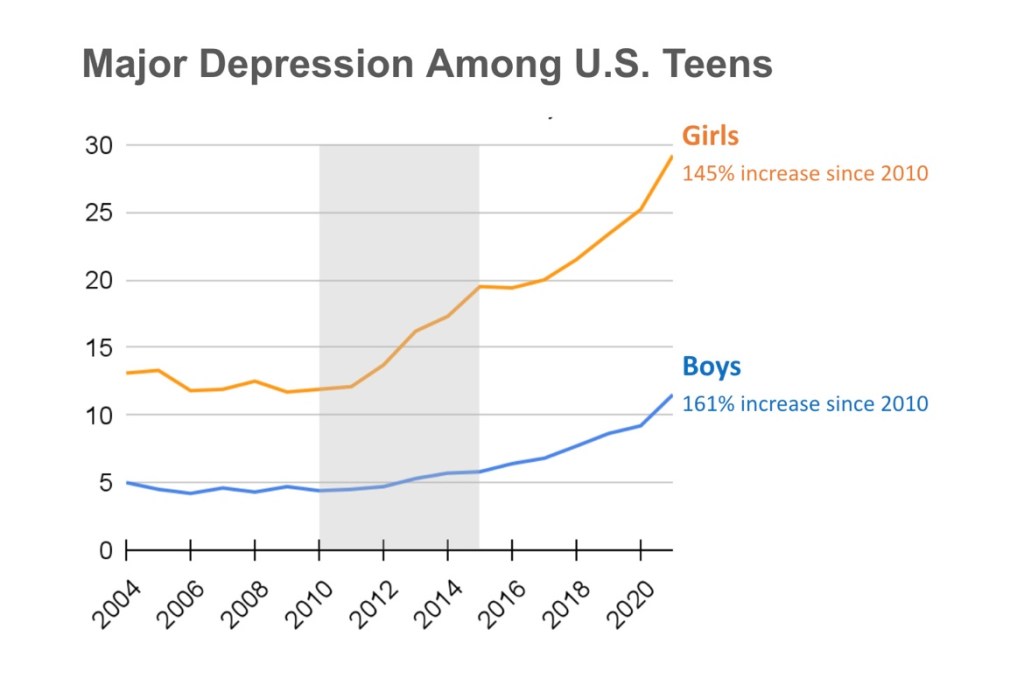
The curated highlight reels presented on these platforms often lead to unrealistic standards, setting the stage for an unhealthy mindset.
1. The Highlight Reel Phenomenon: One of the primary factors contributing to the comparison trap is the carefully curated nature of social media content. Users tend to showcase only the positive aspects of their lives, creating a skewed perception of reality. Continuous exposure to these seemingly perfect lives can make others feel inferior or unsuccessful in comparison.
Bianca Olthoff describes this experience being akin to being an identical twins. Identical twins often feel like they have a permanent mirror set up against their lives. Which one will walk first, which one will speak, first, which one will be the fastest, the smartest, the wealthiest and so on.
The social media highlight reel phenomenon as exactly the same effect. Mirror, mirror.
2. Filtered Realities vs. Genuine Experiences: The prevalence of image-altering tools and filters further exacerbates the issue. Social media users frequently enhance their photos, creating an unrealistic portrayal of beauty, success, and happiness. This perpetuates the belief that one’s own unfiltered life is somehow inadequate, fostering an endless cycle of comparison.
3. Quantifying Worth through Likes and Followers: The quantification of popularity through likes, comments, and followers adds another layer to the comparison trap. Users may find themselves equating their worth with the number of interactions their posts receive, leading to a constant pursuit of external validation.
4. Fear of Missing Out (FOMO): Social media often showcases a plethora of events, gatherings, and experiences, contributing to the fear of missing out. Seeing others engage in seemingly exciting activities can create a sense of exclusion and inadequacy in those who are not partaking in similar ventures.
5. Social Comparison Theory in the Digital Age: Social media amplifies the classic Social Comparison Theory, wherein individuals determine their own social and personal worth based on how they stack up against others. The constant exposure to others’ achievements, possessions, and lifestyles intensifies these social comparisons, leading to a perpetual cycle of discontent.
Breaking Free from the Comparison Trap:
- Mindful Consumption: Be aware of the content you consume. Actively choose to engage with content that inspires and uplifts rather than fosters comparison.
- Authenticity: Embrace authenticity by sharing the highs and lows of your life. This not only humanizes your online presence but also encourages a more genuine connection with others.
- Set Boundaries: Establish healthy boundaries for social media usage. Limit your time online, especially if you find yourself falling into the comparison trap.
- Practice Gratitude: Focus on the positive aspects of your own life. Regularly practice gratitude to shift your mindset from what you lack to what you have.
In conclusion, while social media promises to provide a powerful means of connection, it’s crucial to navigate these platforms mindfully. Recognizing the comparison trap and taking intentional steps to mitigate its impact is essential for fostering a healthier relationship with social media and, more importantly, with oneself.
Discover more from Paul Benger
Subscribe to get the latest posts sent to your email.
 Paul Benger