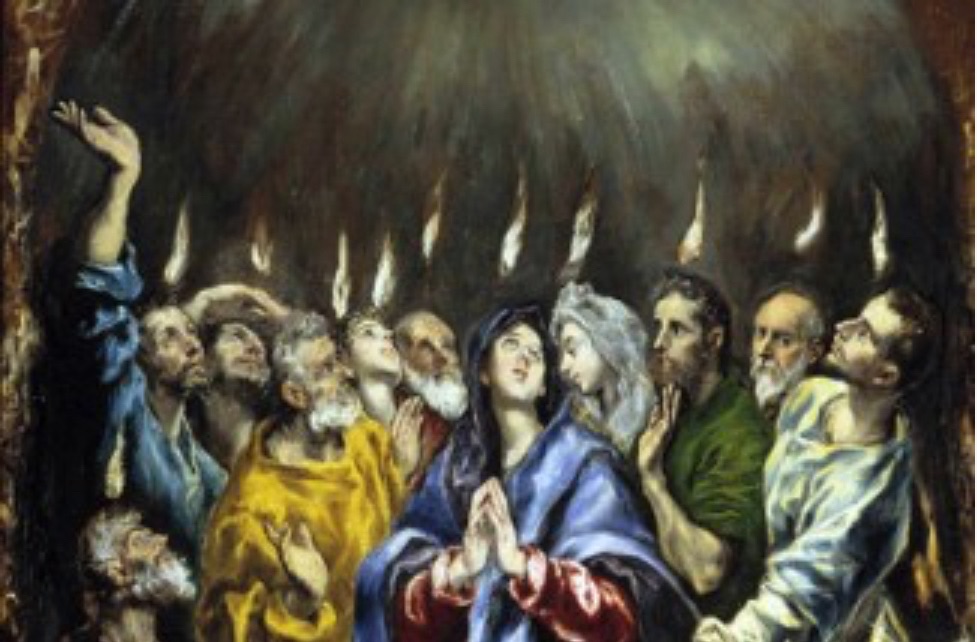
In the book of Acts, Luke opens by referencing his former work, the Gospel of Luke, where he detailed “all that Jesus began to do and teach.” This phrase—”began”—signals that Jesus’ ministry continues, and
spiritual gifts are the means by which the church continues the ministry of Jesus
The New Testament identifies around 20 spiritual gifts, which Robert J. Clinton categorizes into three clusters: Word Gifts, Power Gifts, and Love Gifts. This post focuses on three Word Gifts: Teaching, Exhortation (Encouragement), and Apostleship.
Word Gifts
Word Gifts clarify the nature, character, and purpose of God. They help us understand who God is, how we relate to Him, and what He desires from us. They tell us what he likes and also what he doesn’t.
1. Teaching
The spiritual gift of teaching is fundamental in helping believers know, understand, and be inspired by God. It calls for obedience, challenges worldviews, and instructs motives, bringing spiritual life and vitality to the church. While many possess a natural ability to teach, the spiritual gift of teaching is a supernatural endowment that conveys biblical truth, leading to personal and communal transformation. Jesus, the Living Word, uses the written Word by the Holy Spirit to manifest God’s will in our lives. When this gift is active, the Kingdom of God becomes tangible, and lives are changed.
Teaching is pivotal because it serves as the rudder of the church, setting the culture and tone, creating faith, and determining the community’s spiritual temperature. The early Christians prioritised teaching, as seen in Acts 2:42:
“They devoted themselves to the apostles’ teaching and to fellowship, to the breaking of bread and to prayer.”
Furthermore, teaching is transformative: “All Scripture is God-breathed and is useful for teaching, rebuking, correcting and training in righteousness” (2 Timothy 3:16).
When the gift of teaching is present, it is not just the individual but the Holy Spirit instructing, and he is aiming for life and heart change.
However, those who teach will be held to a higher standard: “Not many of you should become teachers, my fellow believers, because you know that we who teach will be judged more strictly” (James 3:1). This underscores the weight and importance Jesus places on this gift.
Teaching continues Jesus’ ministry today by setting the tone and instruction for what God desires in our lives and communities.
2. Exhortation (Encouragement)
The gift of encouragement, mentioned in Romans 12:8, is essential for building up the church: “Since you are eager for gifts of the Spirit, try to excel in those that build up the church” (1 Corinthians 14:12).
Many people at Ikon Church possess this gift, often used to inspire and motivate others to action and faith.
Encouragement instills courage, comfort, and conviction, urging people to follow God’s higher ways. It shifts perspectives, lifts spirits, and aligns our vision with God’s truth and kingdom. This gift is often exercised one-on-one, but it also shines in communal settings, such as through worship and preaching.
People with this gift are cheerleaders in the faith, often finding creative ways to encourage others through cards, texts, or personal messages. However, encouragers often need encouragement themselves, as they might struggle to apply their gift to their own situations.
Signs of this gift include:
- Seeing potential in others.
- Believing everyone can overcome challenges with God’s help.
- Bringing comfort and joy to those around them.
- Loving to share personal stories of faith and transformation.
- Desiring to see God’s truth impact others.
The biblical example of Barnabas, whose name means “son of encouragement,” exemplifies this gift. He played a crucial role in the early church by accepting non-Jews, befriending and discipling Paul, and nurturing John Mark. Barnabas’ gift of encouragement had a profound impact, birthing significant contributions to the New Testament.
13 books where written by Paul and 1 by John Mark. Without Barnabas’ gift of encouragement , who did not write a book himself, we would be missing half of the New Testament.
3. Apostleship
Apostleship, often misunderstood, extends beyond the original twelve apostles. The New Testament mentions other apostles like Timothy, Silas, Andronicus, and Junia, indicating that this gift continued beyond the apostolic age, and included both men and women. Apostles are essential for the church’s outward focus, often known as pioneers and church builders they love breaking through boundaries and believe wholeheartedly in the church’s mission.
Apostleship involves creating new ministries and can involve possessing authority over multiple churches. Apostles are strategic, concerned with foundational health, and are often involved in church planting and movement growth. Paul described himself as a “wise builder,” emphasising the apostle’s role in laying strong foundations and ensuring the church’s health.
Apostles build faith and vision, instilling a sense of possibility and mission in the church. Their ministry is crucial for maintaining an outward focus and ensuring the church remains vibrant and mission-oriented.
Conclusion
Word Gifts are vital for continuing Jesus’ ministry, each contributing uniquely to the church’s health and mission. Teaching sets the spiritual tone and fosters transformation. Exhortation instills courage and comfort, building up the church. Apostleship drives mission and ensures foundational health. By embracing and utilising these gifts, the church can fulfill its calling to be a “community of the Spirit,” equipped to do all that Jesus asks of us.
Pray for these gifts to be raised up and strengthened within your community, and seek to discover and use your own spiritual gifts for the glory of God and the edification of the church
Discover more from Paul Benger
Subscribe to get the latest posts sent to your email.
 Paul Benger